Showing posts with label *GUEST BLOGPOST. Show all posts

STILL THE KING: Steve Bjerklie writes about Napa Valley Cabernet Sauvignon

Name a specific region and a specific wine that sum up what quality American winemaking is all about. If you say “Napa Valley Cabernet Sauvignon,” you will be in agreement with most people, I’ll bet.

Other areas and wines are making a claim to be definitive for American wine — the elegant Pinot Noir produced in Oregon’s Willamette Valley; Washington state’s rich, luscious Syrah from the Walla Walla region; and the delicious Riesling from New York’s Finger Lakes — but California’s Napa Valley remains the most famous winemaking region in the United States, and its primary wine, Cabernet Sauvignon, is still king.


This is due in large part to the marketing genius of the late Robert Mondavi. Napa had produced great Cabernet in the distant past, notably from the Inglenook and Beaulieu wineries, but when Mondavi opened his own namesake winery in Oakville, Calif., in 1966 after a tumultuous partnership with his brother Peter at the Charles Krug winery, he sought to give the Napa Valley the same cachet as held by France’s famous Bordeux appellations. And to a great extent, he succeeded.

Robert Mondavi
looking pretty determined!

Indeed, the argument can be made that Mondavi succeeded too well. Even before the advent of so-called “cult” Cabernets in the 1990s, prices for upper-end Napa Valley Cabernet Sauvignon were generally higher than for any other American wine, and a good portion of those prices was generated by the Napa Valley mystique Mondavi had created and so effectively marketed. (Interesting trivia sidebar: Did you know that Robert Mondavi and Bob Dylan were both young children in the same town? It’s true, and that town is Hibbing, Minnesota, not exactly the heart of rock and roll or the wine industry!)


But the cult wines took things to a new level. After capturing the hearts, minds, taste buds and flowery pens of influential critics, including Robert Parker, these wines competed with the most expensive French Bordeaux. They still do. A quick Internet check finds a single bottle of 2012 Napa Valley Cabernet Sauvignon from Screaming Eagle, which Parker’s Wine Advocate publication awarded with a perfect 100-point score, available at Shopwinedirect.com for a bargain $2,399.95. A 2011 Pritchard Hill Napa Valley Cabernet Sauvignon from Bryant Family Vineyards is available at the Mister Wright wine shop in Manhattan for $600. Vinfolio, another online wine retailer, offers a bottle of 2011 Napa Valley Cabernet Sauvignon from Colgin Cellars for $495 and a 2010 Madrona Ranch Napa Valley Cabernet Sauvignon from Abreu for $575.


I’ve had an occasion or two to taste a couple of these cult wines, and personally I find them overdone, overblown and most definitely over-priced. They remind me of blockbuster superhero movies: take away all the flash and special effects, and you don’t have much of a story, really. To my taste, these ultra-high-end Napa Valley wines fail in wine’s most basic job, which is to accompany food. They are just too rich and dense, and generally have way too much alcohol (15%, even higher, isn’t uncommon for these wines) to accompany anything but themselves. No thanks.


But that’s me. Cult wines have cults for a reason. I just don’t belong to any.


Fortunately, there are plenty of less expensive Napa Valley Cabernets from numerous producers that are complex and balanced and will deliciously accompany steak and other Cabernet-friendly goods. I love the Cabernet made by Randy Dunn at Dunn Vineyards. Not only are Randy’s wines as graceful and beautiful as Ingrid Bergman, they don’t carry the high alcohol that the cult wines generally do.


Silver Oak is another reliable Napa Valley producer of wonderful Cabernet. Same with Stag’s Leap, Cakebread and Spottswoode. You won’t go wrong with a Robert Mondavi Private Reserve Napa Valley Cabernet Sauvignon, either. And good old Beaulieu Vineyards still makes a superlative Cabernet under its Georges de Latour designation.

None of these wines cost anything close to the cult wines, but they’re not cheap. A bottle of Dunn, if you can find one online, runs $80 or more. The Mondavi will be in the neighborhood of $120 and a Stag’s Leap will be in the same territory — but then, it was a Stag’s Leap Cabernet that knocked the priciest French Bordeaux on its butt at the famous Paris Tasting of 1976, so they’ve earned extra cred.

Steak and Caesar and Napa Cab: Yum!


For me, a good Napa Valley Cabernet Sauvignon is a special occasion wine. I’ll buy one every once in a while and put it away in the cellar to forget about for several years. When the occasion’s right I’ll bring a dusty bottle back up into the light, pull the cork and share it with people I love over a good steak or simple Caesar salad. (Try it: Cabernet matches wonderfully with a Caesar.) It’s like bringing a work of art to the table for everyone to admire and be inspired by.


There may still be a lot of marketing razzmatazz driving Napa Valley’s reputation, but there’s a lot of good wine behind it, too. Robert Mondavi was not wrong about that. At its balanced and well-aged best, Napa Valley Cabernet Sauvignon is still the definitive American wine. I would never pass up a glass. Would you?


Guest Blogger Steve Bjerklie notes this about his love of wine:

Steve and his gal Polly
enjoying the New Hampshire
snow at Tuckerman's Farm
"I grew up in Mill Valley, Calif., just across the Golden Gate Bridge from San Francisco. My mom and dad enjoyed wine with dinner nearly every night, and together as a family we explored the wine country of Napa, Sonoma, Mendocino and Monterey counties, the Sierra foothills and the San Joaquin Valley. I became acquainted with European wines in my early 20s when I toured western Europe on a bicycle for three months. Later, back in the States, I grew to love wines from Oregon, Washington state, Virginia and New York in addition to my old favorites from California. My wife and I moved to New Hampshire in 2007 to assist my aging father, who had retired here. We fell in love with the Upper Valley, North Country and White Mountains Region almost instantly, and now live on a small farm in Dorchester, NH, with several goats, rabbits, chickens, ducks, three rambunctious dogs and one regal cat. A fledgling apple orchard on our property will one day produce great cider and applejack, we hope. Thanks for stopping by.

This article was first published in The Upper Valley ezine:  http://theuppervalley.com/news/still-king/

Valentine's Wines: Steve Bjerklie Writes from New Hampshire

wine-st-valentine-day (2)Your lover wants chocolate, you want wine. Can this relationship be saved in time for Valentine’s Day?
You won’t have to look far to find expert, well-meaning advice saying, yes, sure, no problem. Red wine — especially a dense zinfandel or petite sirah, even a good pinot noir — is a great match for chocolate, or so goes the conventional wisdom. I’m here to tell you, however, that’s baloney. I think red wine goes with chocolate like flip-flops go on a hockey rink: the combination usually proves embarrassing.
So instead of following the crowd, try pairing Valentine chocolate with a good port. New Hampshire state liquor stores usually have a variety of good ports on hand, and the full state wine list (from which you can order online) offers dozens of ports, including some high-end vintage bottles.
True port is a sweet dark wine fortified with aguardente (a grape spirit, though not brandy) that comes from Portugal, specifically the Duoro Valley. If “sweet” and “fortified” don’t seem to you like attractive descriptions for a wine, consider that production of port dates back at least to the 17th century, and across the centuries port makers have learned a very great deal about how to make delicious wine.
Several kinds of port cater to different tastes. Tawny port is aged in wooden barrels, often for decades, and tends to be on the sweet side. It’s usually served as a dessert wine. Ruby port is the most common port and is typically the cheapest; it is not aged in wood but in stainless steel tanks. Vintage port is the good stuff, made only in years that are declared “vintage” by the Instituto dos Vinhos do Douro e Porto, the official body governing port production in Portugal, based on the quality of that year’s grapes. Vintage ports are typically aged for two years in wooden barrels, then further aged in the bottle for much longer, sometimes as long as 40 years, before they’re released for sale. Indeed, vintage port more than 100 years old can still taste wonderful.
What makes port a good match for chocolate is the hint of sweetness in the wine that’s supported, in the best ports, by subtle, tantalizing fresh fruit flavors. A dark chocolate, not too sweet, captures and complements the port’s sugar. Great port is as complex as a great Bordeaux or New World cabernet sauvignon, but in a completely different way. Just as you wouldn’t pair a cab with ice cream, you wouldn’t match a port with a steak. With port you want a food that complements and enhances the wine’s quiet sweetness and subtle fruitiness without bringing along a clashing acidity or oily fat. Strawberries dipped in chocolate come to mind. So does a really good chocolate truffle with raspberry filling.
A flavor combination I happen to love is orange with chocolate, and so another wine match for chocolate that’s a favorite of mine is dark chocolate accompanied by a glass of Essensia, a sweet dessert wine from Quady Winery in California that’s made with the orange muscat grape. You will find Essensia on the occasional restaurant wine list — it’s available at the Trapp Family Lodge in Stowe, VT — and in a few well-stocked Vermont wine shops. It’s not on the New Hampshire state wine list, unfortunately.
- See more at: http://theuppervalley.com/the-latest/valentine-wine/#sthash.gpSQM4iQ.dpuf

COWBOYS, MAPLEWOOD AND SYRAH - Steve Bjerklie writes from New Hamphire

COWBOYS, MAPLEWOOD AND SYRAH

Back in the fall of 2013, a windstorm took down a stately old sugar maple on some acreage we own in Dorchester, NH. I didn’t have a chainsaw just then, so I let the fallen tree rest and dry out for more than a year before cutting it up for firewood. The past few weekends I’ve been at the task, sawing rounds off the trunk and the larger branches, and it’s a beast of a job. The tree, maybe 150 years old, is four feet in diameter at its thickest, and the wood, now nicely dried out, is hard as stone. (It burns great, though.)
While I work the old tree on a chilly gray afternoon, I like to think about the delicious stew my wife Cindy makes on cold days, a hearty concoction she calls “cowboy bean.” It’s amazing how thoughts of good, hot food can make sawing rounds of heavy trunk-wood in an icy, biting wind much easier, especially when those thoughts include a wine that is one of my favorites. For there’s nothing better with cowboy bean stew than a great big syrah.
Syrah is the basis for the elegant, complex red wines of the northern Rhône region in France. It can also be made into a fruitier, much simpler wine, as cheap shiraz (as syrah is called there) from Australia demonstrates. In the United States, syrah (not to be confused with petite sirah, which is a different grape altogether) tends to be denser than light Australian shiraz but is usually not as multi-dimensional as the best Rhônes.
There are exceptions, though. My favorite American syrahs come from Washington state, particularly the Walla Walla Valley. There, the hot, dry summers and cold, sometimes bitter, winters and the rocky, volcanic soils stress syrah vines just enough to concentrate an abundance of flavors into the grapes. Indeed, the region has attracted several French-born vignerons in addition to a new generation of young winemakers. The highest-end Walla Walla syrahs — those from Cayuse, Spring Valley, Sleight of Hand, Trust Cellars, Long Shadows and SYZYGY, among others — are all but impossible to find in the eastern U.S. outside of a tiny handful of exclusive restaurants, though it’s very much worth trying to get on mailing lists for these wines. However, excellent Washington syrah is widely available under the Columbia Crest label, and the New Hampshire State Liquor store wine list includes terrific Walla Walla syrah from K Vintners and Charles Smith.
This isn’t to say other regions don’t produce fine syrah. Randall Grahm, the original “Rhone Ranger,” began growing Rhone varietals, including syrah, in California north of Santa Cruz back in the 1980s. His winery, Bonny Doon, makes a very good syrah called “Pousseur” that’s on the NH State Liquor list. In addition to Santa Cruz and Bonny Doon syrahs, I’ve tasted good syrahs from the Sierra Foothills and the Paso Robles area in California and the northern Willamette Valley in Oregon.
Not to forget, of course, syrah’s ancestral home, the Rhône Valley in southeastern France, which produces some of the finest wines in the world. Syrah has been grown there for wine for 2,500 years, and across the millennia the French vignerons have learned a thing or two about how to make great wine from this wonderful grape. If you see the word “Cornas” in large type on the label of a French wine, snap it up. That sub-region of the northern Rhône produces, arguably, the best syrah anywhere. With Cornas in your glass, you are in for a truly special wine experience. This beautiful wine would certainly pair well with Cindy’s cowboy bean stew. Even a Frenchman might say “Mon Dieu!” to the match while a maplewood fire warmed the room.
 
 
(Steve Bjerklie is a writer who works from the Half Pint Farm in New Hampshire.  This column first appeared in theuppervalley.com online magazine, in January 2015)

Sake and the City: Richard Dare Writes from New York


Pouring 96 varieties of Sake
I must confess, your faithful correspondent was at first blush less than certain that sake -- in spite of being colloquially referred to as "rice wine" in the west -- would really fit within the taste profile loved by American oenophiles.  Yet I decided to be Zen about the situation and attend an invitation only event featuring Timothy Sullivan founder of Urban Sake (urbansake.com) who explained and then paired sake with mouth-watering wagyu beef prepared by executive chef Hiroki Abe of EN Japanese Brasserie (enjb.com).
 
Sake, as you may already know, is a beverage fermented from rice, a grain that to my way of thinking categorizes it rather closer to the beer family than to wine.  On the other hand, sake is not carbonated and tastes far more like wine than beer, and not even remotely like gin, vodka or other spirits.  So “when in Tokyo” do as the locals do, I always say.


Another award-winner

Beautiful Sake bottles on display
The primary distinctions between types of sake are based not so much on the varieties of rice used but rather on how severely each individual grain of rice has been milled or polished.  This is the case because the core of a rice grain has a greater concentration of starches than its exterior husk.  So more thorough polishing produces a drink with more intense and complex flavors.  Serious sake begins when at least 30% of the rice grain has been removed and 40-50% removal is not uncommon.
   
Unlike western wines, most sake is meant to be consumed young and fresh, so don't bother to open the bottle to allow it to breathe or the flavor will grow too soft.  And finally, expensive good sake is usually served chilled.  Cheaper sake, however, traditionally arrives hot, possiblya tradition from times past meant to mask the quality of the product being served.

At the table in New York City in late October was a dazzlingly diverse array of some 94 different types of sake including the very elegant Chokaisan Junmai Daiginjo ($60 per 24 oz. bottle, a variable 15-16% alcohol) with its pronounced floral bouquet and Gold Medal prize from the 2008 International Sake Challenge; as well as the velvety smooth and semi-fruity Fukuju Junmai Ginjo ($34 per 24 oz. bottle, 15.5% alcohol) famously served at the 2012 Nobel Prize awards dinner in Stockholm and increasingly in demand worldwide.  Paired with fine Japanese wagyu beef they both presented perfectly, the Chokaisan feeling more appropriate as a dinner drink and the Fukuju as an apéritif. 

The unique fruitiness, fragrances of flowers, hints of mushrooms, earth tones and the like -- in short, the sorts of things one might look for in wines from Europe or America -- are present in sake as well.  In sake’s case, however, the nuances result largely from the specific yeast used (specified by number on most bottles for serious connoisseurs), the flavor of the local water, and so on.  Thus, many of the joys of sake stem from an understanding of the drink’s terroir just as they do with western wines.


~~~~~~~~~~~~

Richard Dare is an author, cultural commentator and executive who enjoys fine wines and good food.


The Italian Job

The Italian Job
Richard Dare, guest columnist

The plan was flawless.  The heist was perfect.  The escape was clean.  The only threat was the one they never saw coming.  This autumn, they’re not in it for the pay.  They’re in it for the payback.  Nicosia Wines (nicosiawines.com) presents at the magical Culinary Loft (culinaryloft.com) in the heart of Manhattan:  Fondo Filara Frappato, Fondo Filara Etna Rosso, Fondo Filara Cerasuolo di Vittoria Classico, and Sosta Tre Santi Nero d’Avola in The Italian Job.
Deep in the heart of Sicily, generous and untamed, labor Nicosia’s fine winemakers hidden in the shadow of a ten-thousand foot high volcano, Mount Etna, that dominates the horizon just behind their 115-year old winery in Trecastagni, Italy, nourishing the soil with thousand year old ash.  But this taster thinks more than the volcanic soil, more even than the perfect goût de terroir, is the skillful blend of Denominazione di Origine Controllata grapes Nicosia’s five generations of family winemakers employ to infuse Nicosia’s full-bodied, irrepressibly aromatic offerings with what can only be described as emotional intensity worthy of a Sicilian.


Graziano Nicosia, fifth generation winemaker

A delightful apéritif, Nicosia’s Fondo Filara Frappato (12.5% alcohol vol.) appears a vivid red in the glass, and at $15-20 per bottle (retail price) pleasantly fragrant bouquet of fresh red fruits, raspberries and blueberries to the nose with a fresh, lively profile not unlike a cheeky Beaujolais.  Frappato pairs well with cheeses and salamis or pizza, it is also a valid alternative to white wine, particularly when served with flavorful fish course dishes.  But unlike its sister wines, the Frappato is best served slightly chilled at about 57°F. 

Nicosia’s Fondo Filara Etna Rosso (13-14% alcohol vol.) is a skinnier wine for my taste, but still ruby red at $30-33 per bottle (retail price) and produces an intense bouquet with elegant hints of wild red fruit, spices and licorice.  It’s dry, robust and lingering with a long and pleasant balsamic finish that seems a wonderful accompaniment to such first-course dishes as risotto, roasted and grilled meats, or semi-aged flavorful cheeses.

Their Fondo Filara Cerasuolo di Vittoria Classico (13-14% alcohol vol.) is the color of cherries, also $30-33 per bottle (retail price) and boasts a rich aromatic profile featuring hints of red fruit.  It’s warm with a smooth taste would pair well with roasts, grilled meats, small game, and sharp and aged cheeses—although to be fair I enjoyed it with a bit of Amedei chocolate from Tuscany (70% cacao blend) which created a sort of multiplier effect bringing the wine’s tannins to a luxurious effect (amedei.com). 
And finally, Nicosia’s very satisfying full bodied Sosta Tre Santi Nero d’Avola (12.5-13.5% alcohol vol.) grown on 25-year old vines and $40 per bottle (retail price) appears dark ruby red in the glass, with a typically fruity aroma with touches of morello cherry.  The fruity aroma can be tasted in the mouth, warm and lingering, and would prove an ideal accompaniment to many of the tastiest Italian recipes including baked pasta with meat sauce or meat couscous, roasted game and aged cheeses.


The fine Nicosia presentation


After pulling off an amazing job in the great Sicilian winemaking tradition, the only thing left for Nicosia to accomplish now is to find a worthy and capable distributor to deliver this little bit of Sicilian heaven to the tables and taste buds of families in the United States.

Don’t worry though, they’re hot on the trail of a distributor even as we speak.  But until that deal is sealed, you’ll just have to take my word for how delicious and satisfying their wines really are!


The Culimary Loft, site of the Nicosia Wines event

~~~~~~~~~~~~

Richard Dare is an author, cultural commentator and executive who enjoys fine wines and good food. 

What is "Bottle Shock"?

With kudos to the folks at Bodega Del Sur winery, in Murphys, Calaveras County, CA,  I am re-printing the excellent piece from their latest newsletter, written by winemaker Brett Keller. It's a great explanation of this phenomenon!

"Recently, Bodega Del Sur bottled some new wines for your enjoyment! During bottling, one of our crew asked, "What is Bottle Shock?" Well, there is a lot more to it than a clever movie showing California's dominance over French wine...!

"Bottle Shock" is the term we use to describe the tumultuous journey of wine from the barrel to the bottle. After staying stationary for up to thirty months in oak barrels the wine is suddenly taken from its slumber, moved to a tank, filtered, and pumped gently to the bottling line where it falls with gravity into the bottle. It's kind of like being rudely awaken from a good sound sleep and being thrown into a lake!

During the process of bottling we are also adding sulfites as a preservative to prevent spoilage and amend sulfur dioxides that naturally occur in wine. As we bottle the wines we treat them as gently as possible with slow movement of the wine, minimal use of sulfites, and almost compete lack of contact with oxygen, which can oxidize the wine too quickly. Despite our best efforts, all the components of the wines that came together over the last couple of years tend to be a bit shaken, and they temporarily become a bit disjointed... When the wines make the bottle we use inert gas and a vacuum sealer to cork the bottle to protect it. Once the bottle is corked it is almost an impermable vessel, other than the slow movement of tiny amounts of oxygen that passes through the cork.


Finished wines available to
taste or buy in tasting room
"Bottle Shock" will generally last for a period of three to six weeks, after which time the wine tends to recompose itself and once again prepare for its long cellar sleep, until you, our valued customers, have a chance to taste our efforts. We release our wines after the period of "Bottle Shock" has run it course, during which time we are frequently checking its progress towards readiness.

Until then, watch the movie 'Bottle Shock' with Alan Rickman. It is an entertaining rendition of what makes a small winery in the early seventies Napa Valley 'shock' the world with its sojourn into the annals of winemaking history...

Until next time, Brett Keller, Winemaker"


For more info on their fine wines, go to www.bodegadelsur.com

Tastes from the 2012 Barbera Festival

The 2012 Barbera Festival, held in early June at  Cooper Ranch in the Shenandoah Valley near Plymouth, CA, brought 1,700 wine aficionados together to taste Barbera from more than 80 wineries from Camarillo north to Kelseyville, with the majority of participants coming from the Sierra Foothills and Lodi.  This second annual Festival was sold out three months early!

Barbera is a lesser-known, and often overlooked, varietal of wine grape. The Barbera grape was first imported into California in 1884, and was used by the Italian Swiss Colony winery in its table wines. The first Barbera varietal (a wine with the name of the dominant grape on the label) was brought to market in 1954 by Louis Martini. Today in California, some 7,000 acres are planted in Barbera, and nearly 200 wineries make at least one style of the varietal.


Barbera originated in the Piemonte region of northern Italy. On the nose, Barbera is typically lush and juicy, with aromas of black fruits. Depending on the terroir and the winemaker, Barbera vintages can convey bright flavors of raspberry, spice, and tart cherry, or more supple notes of black cherry, blueberry, and vanilla.


Urban Legend "trio"
Marilee Shaffer, co-owner of Oakland’s Urban Legend Cellars noted that Barbera is a “Cinderella” of a grape that has been in large part relegated to use as a blending grape.  But when treated property, she said, “Barbera can really become the Belle of the Ball.” Urban Legend presented a trio of Barbera, including a refreshing 2010 Rosatto and 2009 red from Holland Landing vineyard, and a 2009 Amador Barbera.  The 2009 Amador Barbera is bright cherry and cassis on the nose, dark cherry and cola on the palate. 15.2 percent alcohol. $26. www.ulcellars.com


The 2010 Boa Vista Reserve Barbera, from Oakstone Winery in Fair Play delivered a surprisingly Zinfandel-like punch of black pepper, following plum and blackberry aromas. 14.7 percent alcohol. $28. www.oakstone-winery.com


Sherri Compton pours
Easton Wines.  Plymouth
(Amador County)
Plymouth-based Easton Wines plured a 2005-2007 vertical from the same four rows of Cooper Ranch fruit. The older vintage tasted plump and jammy, while the younger two were bright and full of spice. The Easton 2007 Shenandoah Valley Barbera is rich, balanced and juicy, with a pleasing spiciness. 14.5 percent alcohol. $24. www.eastonwines.com


The 2009 and 2009 Barbera from  Lodi’s D’art winery is made from grapes grown by Leland Noma .  Both vintages exhibit related-but-not-identical flavor characteristics. The D’art 2010 Lodi Barbera has bright cherry, earth and berry-like flavors, with a long finish. 15.4 percent alcohol. $24. www.dartwines.com

Other photos from the event:

Crystal Basin Winery, Placerville
(El Dorado County)- Jack Wohler pours

Margie Runquist of Jeff Runquist Winery,
Plymouth (Amador County)


Michael Havill of Bella Grace,
Plymouth (Amador County)


Tom & Thomas Dillian,
Dillian Wines (Amador County)


Peter Nowack
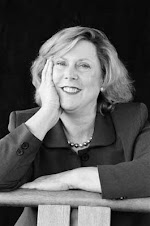
Barbara’s fellow blogger, Peter Nowack, is today’s guest columnist.  He is the wine lover behind the BungRCooper.com wine blog, and is founding partner of northern-California based WEmarketwine.

Finger Lakes Wine Competition Results: Truly International, Truly Top Flight

This post was written by guest-blogger Steve Somermeyer, assistant winemaker at Chateau Thomas Winery, Indianapolis, Indiana.

Steve Somermeyer, Judge
Finger Lakes Intl Wine Competition
The FLIWC (Finger Lakes International Wine Competition) just keeps getting bigger and better.  This year there were almost 3300 commercial entries from 22 countries, 5 Canadian Providences, and all 50 states (for the 3rd year in a row I believe).  This places it in the top 3-4 competitions in the country when commercial entry totals are compared and clearly the largest ice wine competition in the world.  I was one of the 64 judges which made for a fairly crowded judging room.  Judges represented 15 countries which made for interesting chats over meals and in the evenings.  The FLIWC benefits Camp Good Days and Special Moments, a camp located on one of the Finger Lakes dedicated to providing a great camp experience for kids fighting cancer.  All of the backroom staff are volunteers and are dedicated to the camp.  A number of the judges, myself included, donate their travel expenses to the camp.  The organizers - Peter, David, Ron, Chris, and many others - go out of their way to make the judges feel very welcome and take very good care of us. 

If you want to see the detailed results for yourself the website for the FLIWC 2012 results is:  http://www.fliwc.com/results/2012results.asp

Every year at FLIWC I make new friends and my new panel members quickly became friends.  Aaron Mandel, an attorney from St. Louis, Fred Stabins, a certified AWS judge (like Aaron) from Rochester, and Shari Mogk-Edwards, Vice-President, Merchandising and Vintages, LCBO (Liquor Control Board for Ontario).  We enjoyed the competition and learned new insights from each other.  We had 15-20 minutes to work through a flight of 8 wines and enjoyed 12-13 flights per day.  That's plenty of sniffing and spitting for each day.  For the judges that can stay, the organizers take us on a bus ride to the Fingers Lakes on Monday.  One of the things that makes it special is that they don't pick the wineries to visit until after the competition so that wineries that do well are selected.  Usually the bus - 2 this year because of the large number of judges - stops at Camp Good Days so we get a sense of what the camp is.   It's a great day to unwind from judging with time to chat with fellow judges and some award winning winemakers.

The FLIWC doesn't award a single Best-of-Show trophy but it does award nice trophies for Best Ice Wine, Best Riesling, Best Chardonnay, and Best Cabernet Sauvignon.  The winners:

Best Ice Wine - 2008 A Capella Ice Wine from Black Star Farm near Traverse City, MI
Best Riesling - Also from Michigan and the Leeanau Peninsula, Chateau Fontaine with their 2011 Dry White Riesling
Best Chardonnay - Merryvale Vineyards from Napa Valley, 2010 Chardonnay
Best Cabernet Sauvignon - Washington's Chateau St. Michelle with their 2009 Canoe Ridge Estate Cabernet Sauvignon

I've always felt that wines judged in the first flight of a competition suffer from being the first wines to be judged - judges are getting breakfast tastes out of their palates, working to get calibrated to fellow panel judges, and getting into the pace or rhythm of the competition.  With our panel for instance, Shari is used to evaluating many wines in a very short time frame to make purchasing decisions for the LCBO and Fred is a very deliberate judge searching for every nuance while Aaron and I fell somewhere in between.  Because of our Midwestern judging experiences, Aaron and I also had more experience with fruit wines so we had a number of amicable discussions as we worked through the wide assortment of wines.  It took us several flights to adjust our pace to each other.  As mentioned previously I always worry about the results of the first flight of wines so I was very surprised, pleasantly so, when our panel discussed our impressions of the flight of Pinot Gris/Grigio wines and we not only awarded a gold medal to a Michigan Pinot Gris but also a double gold to a Pinto Gris from the Slovak Republic.  So much for my pre-conceived notion!

Another pleasant surprise for our panel was a double gold Frontenac blend from Quebec, 2010 Mystere Rouge from Vignoble d'Oka.  We had a nice flight of Cabernet Franc's with 4 silvers and 2 gold medals - 2010 from Six Mile Creek Vineyard in Ithaca, NY, and non-vintage blend Americus from LaBelle Winery in New Hampshire.  An unfamiliar grape to all of us, Roesler, yielded another double gold medal with 2009 Roesler Reserve from Schachl Harlad in Austria - truly this was an international competition.  Our flights of Riesling didn't let us down with a double gold going to the 2010 Riesling from Sandbanks Estates Winery in Ontario and a gold medal to Gallo's 2010 Polka Dot Riesling - a 'value' wine. 

Some of the new vintage white wines suffered because of the timing of this competition as many had just recently been bottled and the sulfur aroma that is quite common in newly bottled wines was evident and a distraction.  As I reviewed my judging score sheets, there was generally a SO2 comment on each flight of whites.

We also had a nice flight of Syrah/Shiraz with a double gold going to 2009 Stymie Syrah from Steele Wines in Lake County, CA, and a gold going to 2009 Syrah Reserve from Tulip Winery in Israel. 
The flight of Cabernet Sauvignon produced a double gold - Kenneth Volk Vineyards 2008 (Volk founded Wild Horse Vineyards in Paso Robles, sold it to Beam, and now has started this winery) and 2 gold medals - J. Lohr Hilltop 2008 and Domaine Napa Wine's 2010 Forest Glen Cabernet Sauvignon, another 'value'.  Our Red Bordeaux Blend flight yielded a double gold from Sandbanks Estate Winery in Ontario with their 2009 Shoreline Red plus golds from Paltine Hills Estate Winery in Ontario and Santa Julia Magna from Bodega Santa Julia in Mendoza, Argentina.   We also found a double gold in the Merlot class from Cardella Winery in California near Fresno with their 2008 and a gold with 2008 Dvoracke Merlot Barriqu by Vinarstvi Dvoracek in the Czech Republic.

Switching to fruit wines we found 2 double golds in our flight of Blackberry wines - Tomasello Winery in New Jersey and Lagoda Ridge Winery in Missouri.   btw, Lagoda Ridge also won gold medals for 2 other fruit wines: a Peach and a flavored Cherry wine, Chococherry Kiss.

Our flight of Ice Wines yielded a double gold from Quebec, Vignoble Riviere du Chene's 2009 Mondo Ice Wine.  It also contained a pair of gold medal wines from the same winery - rose-colored Pinot Noir and Cabernet Franc from Royal DeMaria Wines in Ontario.  Our last flight of the competition was a flight of artificially frozen 'ice wines' /late harvest wines and we ended up with a bang  with two double golds.  One was a 2010 Pear from Georgian Hills Vineyard in Ontario and the other was a 2003 Traminette Steyer Vaneja by Steyer Vina in Slovenia.

All in all, we had some excellent wines along with a few stinkers.  We awarded 14 double golds which was quite a bit above the average but felt lucky as numerous friends from other tables complained about the 'average' wines they judged.  At least one panel didn't find a single double gold among the 200+ wines they judged.  I've judged with several from that panel and certainly didn't feel that they were hyper critical when I judged with them.

One can find excellent wine everywhere these days.  If you look at the list of the double gold medal winners on the website, you will find winners from 18 states, 3 Candian providences, and 3 other countries.  Extending the search to include gold medals would increase these numbers. 


Let's look at the results and highlight the wineries that did very well:

A favorite of mine from previous Indy Internationals, Maryhill Winery at the eastern end of the Columbia River Gorge on the Washington side, took a double gold with their 2008 Barbara and golds with
 2009 Proprietor's Reserve Zinfandel and 2010 Pinot Gris.

Previously mentioned Lagoda Ridge in Missouri and their fruit wines (see above)

Bending Branch Winery in Texas took a double gold with their 2009 Cabernet Sauvignon and golds with their 2009 Tannat and 2009 Souzao.

Trump (Yes, that Trump) Winery in Virginia got 2 double golds with their 2009 Red Bordeaux Blend New World Red and their sparkling 2008 Blanc de Blanc

 Indiana's own Oliver Winery entered quite a few wines and received 2 double golds - 2010 Creekbend Chambourcin and a new label for them 2010 Vintage Sun Cabernet Sauvignon from Mendoza (?) plus a gold medal for their 2011 Creekbend Vidal Blanc.

As mentioned previously Kenneth Volk Vineyards received a double gold from our panel for their Cabernet Sauvignon and also one for their 2008 Santa Maria Valley Pinot Noir plus a gold medal for their 2009 Touriga.

E & J Gallo entered a number of their national brands and their Barefoot wines did very well.  Hard to beat in the 'value' (quality:price ratio), Barefoot won golds for Pinot Grigio, Zinfandel, Pinot Noir, and Moscato plus one for the 2010 Alamos Red Blend from Mendoza, the Poka Dot Riesling (from our panel), and the Naked Grape Pinot Grigio.  They also won 28 silver medals.

Sandbanks Estate Winery in Ontario won double golds from our panel with their Shoreline Red plus their 2010 Riesling.

Merryvale Vineyards from Napa not only won the best Chardonnay trophy but also got double golds with their 2008 Cabernet Sauvignon and 2011 Starmont Sauvignon Blanc.  Chris O'Gormon, who is their Marketing head and judges at FLIWC every year is a great guy and I enjoy interacting with him.

Gloria Ferrer Caves and Vineyards in California won 3 gold medals for

If you'd like to learn more about the FLIWC and Camp Good Days, visit the website to see how you can get involved/help.  It's a great cause and it's attracted great people.  I'm priviledged to be one of the wine competition judges.   http://www.fliwc.com/aboutus.asp

Cheers!
Steve

How To Use Your iPhone to Enhance Your Wine Knowledge: GUEST BLOG

How To Use Your iPhone to Enhance Your Wine Knowledge

Drinking wine and using your mobile phone is rarely a good idea. You might dial an ex-girlfriend and mouth off about why you left her, or drunkenly roam the internet for hours searching for that elusive answer to the debate that you and your friend have been squabbling over and end up with a huge bill at the end of the month. However, with the development of the iPhone, there are now iPhone apps that can help you enhance your knowledge of wine and enjoy the experience of tasting your favourite tipple.

For example, Pocket Wine, ($3.99) is a fantastic new app that encourages you to expand your knowledge of the wine world, whilst simultaneously matching your tastes to specific wines. By listing all of the main Table Wine grape varieties of grapes and blends, Pocket Wine offers you a clear understanding of these wines, allowing you the opportunity to learn a great amount about the world of wine at a fraction of the price of a sommelier course or ten years of drinking in wine bars. The good thing about this app is that it never pushes any wine on you or tries to sell you individual bottles, but rather it matches potential wines to your palate through a series of questions aimed at identifying your preferred tastes in the My Taste section. It also matches and pairs different foods to particular wines and grape varieties, meaning that you will never again have a meal that doesn’t match your wine.

The Wine Enthusiast Guide, ($4.99) is based on the popular wine magazine of the same name, and lists thousands of professional reviews of individual bottles, constantly updated by a panel of experts. As well as being able to search for every wine regarding to grape variety or blend, style, price, variety and region, you can also enjoy the twenty illustrated tutorials that guide you through the art of unlocking the secrets of wine. If you like the lesson, you can follow links to hundreds of pages of web content that will help further your wine knowledge. You’ll never be embarrassed by a snooty waiter in a restaurant ever again!

Now, anybody who has been a tourist or a long-term visitor in the wonderful world of wine is bound to have come across a wine snob. These guys can be pretty unpleasant at the best of times, let alone when they’ve had one too many and they are bubbling with arrogance and disdainful sniffs. However, the iPhone app that shares the same name as these haughty characters provides you with enough ammunition to challenge them when they try to disparage your best efforts in wine-based conversation. Wine Snob, ($1.99) is a particularly sophisticated iPhone app that allows you to track and rate each wine that you try, whilst searching for recommendations, definitions and food pairings. The descriptions of the wines are the apps strong point, separating it from other apps of the same ilk; sometimes its like reading a wine-based novel, giving plenty of vernacular to impress and defeat you snobby opponent.

There are plenty of apps out there for you to collect and select, but these three are an excellent starting point. Above all, the most important thing is that you enjoy your wine, and take pleasure in recommending wines to others; if your iPhone can help you expand your knowledge of wine, then you should utilize this tool and treat your taste buds to the technological advances in the wine world. Now, who said that technology had to be boring?!

Guest author David Harfield blogs at iphoneappcafe.com about iPhone apps, accessories, and also provides tips to get the most out of your iPhone.

Guilty as Charged: Missing the Moment


Remind your customers and friends that it really is an ideal time for a glass of wine... right now! Here's the professional perspective on the benefit of living in the moment: "Psychological research shows us that not only do people tend to overestimate the benefits of planning for the future, but that people who take decisions that make them happy in the moment tend to experience less regret over time. This reminds us that a fulfilling moment can last a lifetime." Read more from our psychologist guest-blogger...


This Magic Moment...

Yesterday is history. Tomorrow is a mystery. But today is a gift, and that's why it is called the present.

Too often in our lives we miss out on magical moments. Whether it is because of the morning rush, the midday crunch, or burning the midnight oil, we often don't take time to stop and smell the roses. Many times this is because we perceive our lives to be too busy, but other times we choose to distract ourselves with something unnecessary whenever we have a free moment. We have been so conditioned this way that we often miss out on opportunities to enjoy moments that are presented to us.

Our lifestyle in this age of immediacy does not lend itself well to enjoying the moment. Instead of enjoying a moment alone we reach for the immediacy of a text or an email that probably could wait. Furthermore, because of our cultural values around saving and planning, we are often thinking of or worrying about the future before it has arrived. By doing so, we take ourselves out of a moment that could be potentially fulfilling.

This phenomenon has been termed "Hyperopia", a tendency to look too far into the future at the cost of enjoying the moment we're in. Look out for this occurrence in your own life. Research on this phenomenon shows us that not only do people tend to overestimate the benefits of planning for the future, but that people who take decisions that make them happy in the moment tend to experience less regret over time. This reminds us that a fulfilling moment can last a lifetime.

The other reason we tend to miss out on the moment is that we mentally time travel to escape a moment. Many of us carry around pain and discomfort from our past. Sometimes moments we experience trigger those feelings or remind us of our past and we travel back there without really wanting to. Or we go into the future, thinking of how our lives will improve "if only" a certain thing were to happen. Or we travel to a place we are not, seeking an escape from the place we currently are.

Learning to enjoy a good moment is hard for many reasons.
  • First, we worry that good moments are fleeting and it hurts when they end. As a result we sometimes do not immerse ourselves fully in them, not wanting to experience the withdrawal from them.

  • Second, we judge moments, and categorize them in our minds and doing so affects our ability to enjoy the moment because it now has a label attached to it.

  • Third, we distort time, thinking that moments of discomfort last longer that moments of comfort. Moments are just moments, for better or for worse. All moments pass if you let them.

No matter what is happening in the moment, be it blissful or stressful, you can take comfort in knowing that in a moment you will have a whole new opportunity to make the most of another moment.

If you would like to fill your life with more magic moments you don't need to do anything extra. These moments are all around you, you just have to slow down and notice them.

Thanks for taking a moment to read this.


Guest Blogger:
Matt Keck
Adapt Psychotherapy
Offices in San Francisco and San Mateo, California

(650) 455-9242


Specializing in the treatment of:
Eating Disorders
Adolescents
Athletes

(Licensed Marriage and Family Therapist: #46314 California)

FRESH REPORT FROM HONG KONG… Guest Blogpost from Amy Hanson

"In China and Hong Kong, general consumer knowledge of wine, especially Californian, has much room to grow. While the days of mixing wine with soft drinks to combat a perceived bitter taste are all but gone, the average consumer still gravitates toward European wines because of prestige and reputation. "


"I’ve been to Hong Kong many times over the last 15 years, and it was interesting to view it this time through the lens of the wine market. Hong Kong is, as anyone who has visited knows, a very international city: while I was there, I attended a tasting of Italian wines at The China Club hosted by the Berkeley Alumni Association!

The Hong Kong government has made a goal to be Asia’s wine hub and made the market duty-free in 2008; a U.S. Commercial Service officer in Hong Kong told me that U.S. wine exports to Hong Kong increased by over 250% in the last year.

I met with some very impressive wine experts during my trip. Iin Hong Kong there is a small but growing population of more adventurous and educated wine drinkers who seek out boutique, high-value, quality wines – a great sign for companies like ours!"


ABOUT AMY HANSON, Guest Blogger


Amy just returned from a trip to Hong Kong in her new role as VP of Marketing for California Grapes International, a value-added distributor of boutique California wines in Hong Kong. She has been a high-tech consultant for much of her time since graduating from Harvard in 1992. More Reports to Come in the Future!


You can read more about Amy at Barbara Keck's new website, Harvard-in-Wine.blogspot


.

Not so Fast There with Those High Alcohol Wines!

"Which came first: the consumer’s taste for sweeter, full throttled flavors that the critics played into, or the consumer as lemming, hanging on to every 90-point score? Aren’t winemakers, for better or worse, simply producing a style the majority of wine drinkers demand?"

The Debate Rages On

(This is excerpted, with his permission, from Bruce Nichol's July 2009 A Nichols Worth of Wine column from his Naples Wine News website)


To the angst of many in the industry, and thanks in large part to an ever expanding wine blogosphere, high alcohol levels in wine is a subject that just refuses to go away. The issues are many and I have a few; some from a slightly different angle than the most talked about.

I’ve made my position on high-alcohol wines well known. I don’t like them. I find most to be one-dimensional - all fruit, no character. I find many can be overpowering and incompatible with the dining experience. I want to enjoy that second, and occasionally, third glass of wine over the span of a meal without the need for a nap between courses.

There’s also the concern of increased DUI enforcement. Many variables determine BAC (blood alcohol concentrations) currently set at .08%. Even factoring in the metrics of body weight, gender, time, and food intake, two glasses of wine can push you close to or beyond this legal threshold. Don’t believe it? Try blowing into a breathalyzer after 10-12 ounces of your favorite varietal.

I have been trying to document the parallel between wines with higher alcohol levels and BAC, but in speaking with faculty from UC Davis’s Viticulture and Enology department, no formal studies have been done on the subject. Apparently there are so many variables, conclusive analysis would be difficult at best. But personal experience has taught me that a two-point swing in a wine from 12.5% to 14.5% can have a significant effect on acuity and I find it makes wines less compatible with food.

Much of what wine consumers and industry followers hear from the media lately is the supposed influence a few iconic critics have over winemaking decisions. Assertions of vintners pushing hang time to the extremes to achieve ultra-ripe fruit just to please the critics' palates, and in turn garner higher ratings, are hotly debated.

But I wonder if this isn’t a classic version of the chicken and the egg story? Which came first: the consumer’s taste for sweeter, full throttled flavors that the critics played into, or the consumer as lemming, hanging on to every 90-point score? Aren’t winemakers, for better or worse, simply producing a style the majority of wine drinkers demand?

These hyper-extracted wines come from ultra-ripe fruit with high sugars, which in turn raise the alcohol level. To combat this problem, many wineries resort to “dealcoholization,” literally reducing alcohol from the wine either through reverse osmosis or high-tech filtering. This in turn can require adding back in up to 15% water. The controversy between the purists and practitioners over this approach rages on.

Economics can also play a role in how winemakers deal with alcohol levels. Wines over 14% are taxed at a higher level. If you’re a small artisan producer making a few hundred cases a year the additional cost may be insignificant, but if you’re producing serious quantities of wine every vintage, employing whatever technology available to bring alcohol levels down may be deemed a financial necessity.

The volleying back and forth between winemakers, critics, bloggers and buyers on the high alcohol issue is escalating.

Proponents, many of them winemakers, would argue the problem (assuming you consider it a problem) is the card Mother Nature has dealt them. Read that as climate change has lead to riper fruit, requiring adjustments in the winemaking process. The industry is quick to contend that as long as a wine’s components, acidity, tannins and flavors, are all in balance, then the higher alcohol levels are justifiable. To a large degree, this is true, but that does not address the DUI issue, or that these wines tend to overpower many foods.

Opponents contend this manipulation robs the wine of its character and structure and the wine’s terroir, or sense of place. This “natural, less-is-better” camp argues that while the average alcohol level of wine in many growing regions jumped more than two points (from 12.5% to 14.8%) between 1978 and 2001, UC Davis studies presented at a Napa Valley Grapegrowers Association seminar in 2007 showed that the mean average temperature in Northern California decreased by one degree in a recent 18 year period.

And the consumer? Well, my sense is that outside a small group of wine bloggers, the average consumer really only cares whether they like the wine or not, and whether it offers value to suit their palate and purse.

So who’s right? I doubt this issue has an immediate answer.

Critics continue to assign numerical ratings...

Winemakers will (hopefully) continue making the best wines possible, albeit with an eye to market forces...

So it is you and me, the consumers, who will ultimately shape the future on how much alcohol is in our wines.

The good news is that all the cyber-chatter is raising our awareness of this issue and there is now talk of a trend to more “reasonable” alcohol levels.

The question I keep coming back to is: If wines can be “made’ with alcohol levels in the 13% range that manage to retain their identity and flavor profile, as in many wine regions of the world, why aren’t we seeing more of them? I’m still searching for that answer.

In the meantime, we consumers do have options. Many of them.
Just check out the mandatory posting of the percentage of alcohol listed on every label before your next wine purchase. There are many wines under 14%, although choices are fewer with California brands than the imports... for now.


~~~~~~~~~~~

About Bruce Nichols:

Based in Naples, FL, Bruce has a Wine Consultant firm providing professional wine cellar management, wine brokering for buyers and sellers, sommelier services, wine education and wine event planning. From hospitality industry jobs as a teenager, to culinary and management positions in popular chain and upscale San Francisco bay-area restaurants, Bruce forged increasing ties to the burgeoning Napa and Sonoma wine scene. In the 1980's, as Director of Restaurants for Sheraton Hotels, Bruce served as wine buyer, conducted wine education programs and hosted California winery owners and winemakers, and worked with syndicated wine writers. He went on to open new food and beverage operations for Sheraton and Hilton Hotels across the USA, and then managed the corporate food service program for a global financial company while consulting on wine programs for independent restaurants and developing and conducting wine education classes. Shortly after he retired in 2004 to Naples, FL, Naples Wine News was born.


Contact information:
Bruce Nichols
Naples Wine News
PO Box 2604
Naples, Florida 34106-2604

(239) 262-4875

napleswinenews(at)concast.net